

Peaks of the Balkans
The first long-distance trail across the western Balkans, through Albania and Kosovo.
The story of the trip
The true face of the Balkan mountains.
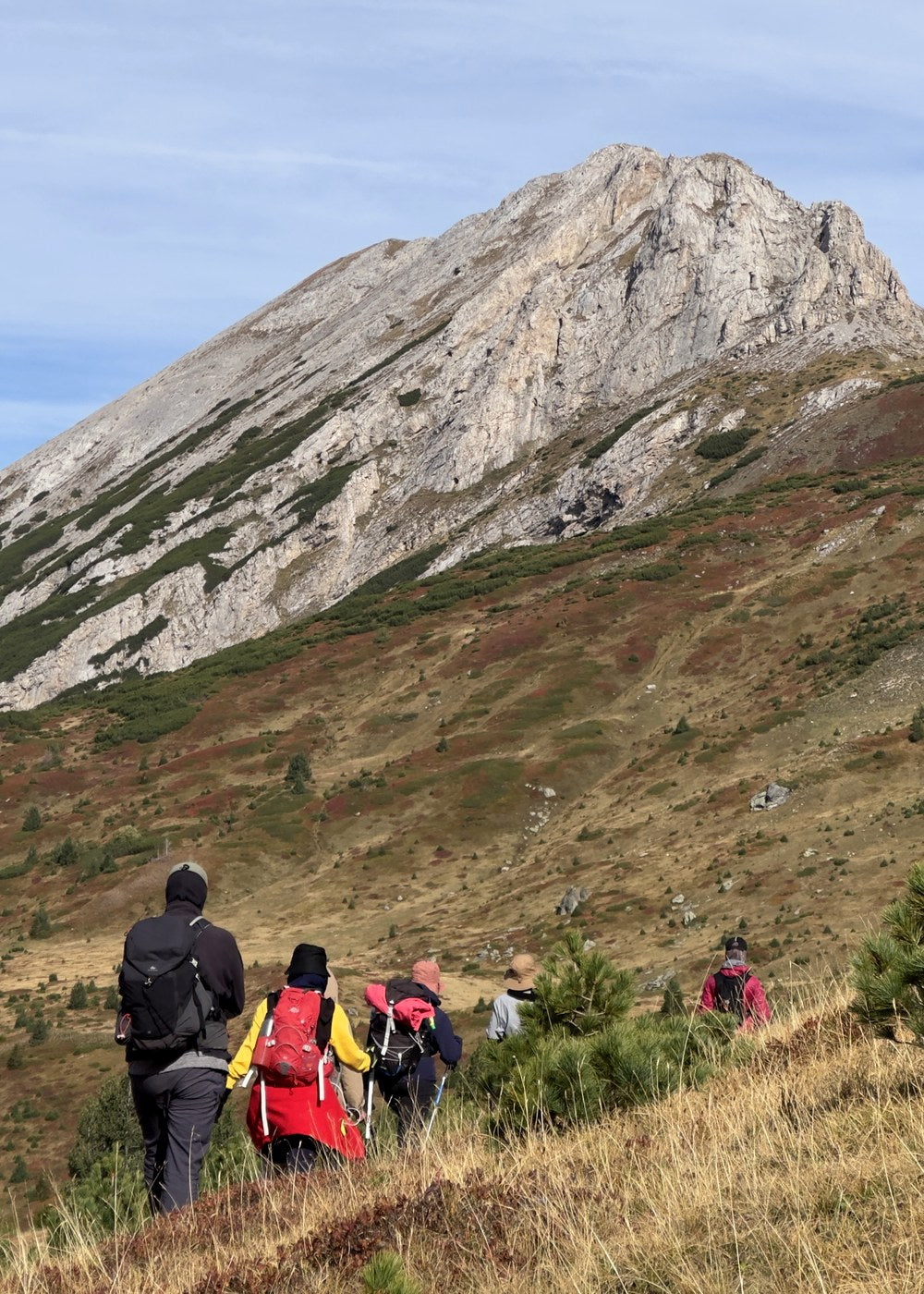
The Peaks of the Balkans is the first long-distance trail to cross the western Balkans through Albania and Kosovo, where ancient paths link remote regions. Winding through meadows, summits, lakes, and forests, it ranks among the most diverse hiking trails in the world.
The route, day by day
Tap any day to see its details.
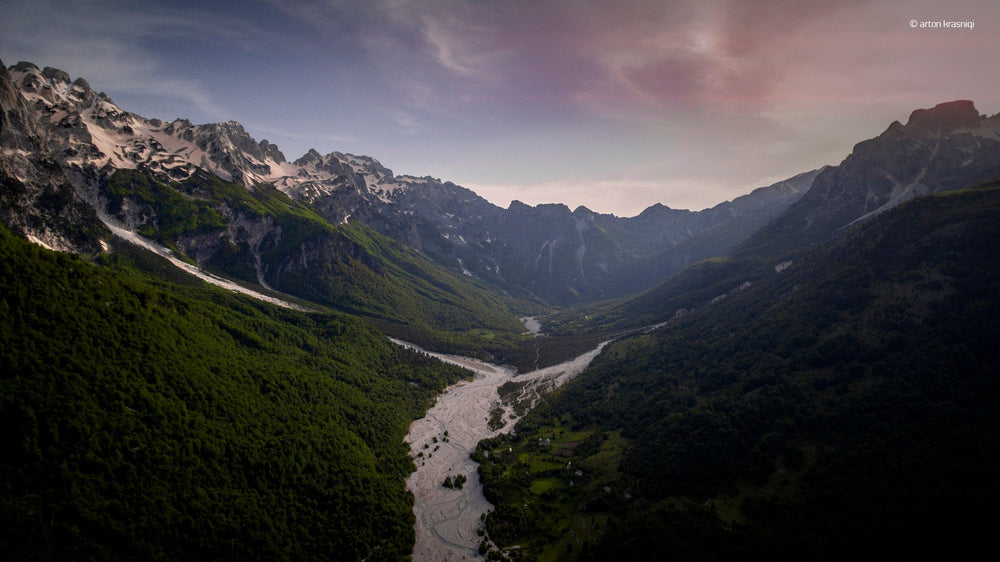
You arrive in Tirana, where the team welcomes you; we then drive a winding mountain road to the village of Theth, hidden in the heart of the Albanian Alps, with its famous stone church and historic lock-in tower. A first night in a warm mountain guesthouse.
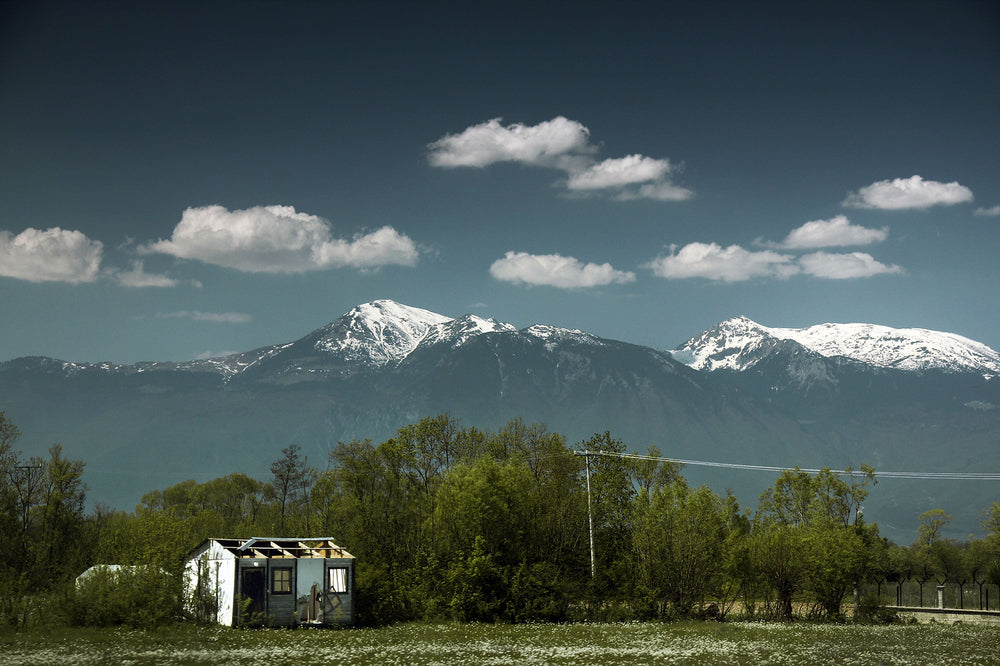
The most famous and most beautiful stage of the trail. We climb from Theth through forests ablaze with autumn colours to the Valbona Pass, where a panorama of rocky peaks opens on both sides, then descend into the wide Valbona valley with its turquoise river shimmering over white pebbles.
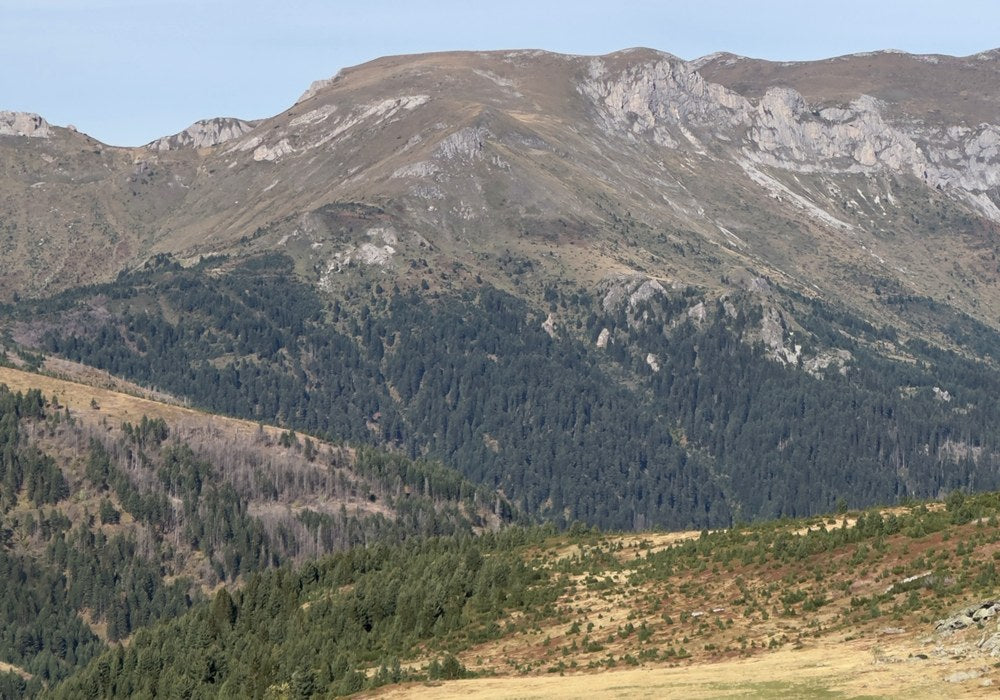
A quiet walk away from the beaten paths towards the isolated village of Cerem, through beech forests and pastures dotted with wooden shepherd huts. Here the true solitude begins — villages with no paved roads, and authentic Albanian hospitality at every door.
We climb gradually to the high meadows of Doberdol (1,700 m+), a summer shepherd village of wooden huts scattered across the pastures like a painting from another age. Here the borders of three countries meet: Albania, Kosovo, and Montenegro.
Summit day. We climb Gjeravica, Kosovo's highest peak at 2,656 m, over grassy slopes and small glacial lakes mirroring the sky. From the summit, the mountains of the western Balkans stretch as far as the eye can see — without question the high point of the trip.
We cross the border into Kosovo along old shepherd paths that linked the mountain communities before borders were drawn. A long walk across open plateaus and pine forests to the mountain village of Milisevc in the Rugova region.
From the village of Reka e Allages we climb Hajla Peak, overlooking the deep Rugova valley, its imposing rock wall plunging suddenly towards Montenegro. A second view to rival Gjeravica in beauty, before returning to sleep at the mountain guesthouse in the forest.
The trekking ends with a gentle walk to the Liqenati glacial lakes hidden among the peaks — clear waters mirroring rock and sky in total silence. After lunch we descend to the city of Peja — back to civilisation after a week in the wild.
A cultural day in Peja: the old Ottoman bazaar with its cafés and craftsmen, historic mosques, and the dramatic edges of the Rugova valley. Free time for shopping and tasting Balkan cuisine, and a farewell evening reliving the trail's finest moments.
After breakfast we transfer to the airport for the flight home. You leave having crossed two countries on foot, climbed two of the Balkans' highest peaks, and carrying with you the warmth of unforgettable mountain hospitality.
Challenging
What's included and what's not
Included⌄
- Internal transfers during the trip
- Meals
- Accommodation in mountain lodges
- Consultations before and during the trip
- Trip leaders
- Permits where required
Not included⌄
- International flights
- Visa
- Personal trekking gear
- Personal expenses
- Travel and rescue insurance
- Tips
What to bring
Documents and spending⌄
- Passport — Original plus a separately stored copy
- Required entry documents — For your nationality; check with the team before travel
- Travel insurance document — With assistance contacts and cover for the trip activities
- Bookings and itinerary — Flight and accommodation details; save offline
- Cash and payment card — Small denominations for personal expenses
- Route permit copies — Carry the route-crossing copy supplied by the team
Bags and valuables⌄
- Soft travel bag — Sized for the transfers; check your ticket allowance
- Daypack — 30–40 L for daily essentials; confirm luggage transfers with the leader
- Backpack rain cover — Sized to fit your pack
- Waterproof dry sack — 5–10 L to keep clothing and essentials dry
- Secure valuables pouch — For cash and documents
Footwear and trail equipment⌄
- Hiking boots — Waterproof, mid/high ankle and already broken in
- Trekking poles — One pair for passes and long village-to-village descents
- Headlamp — For early starts and shorter days; spare batteries
- Boot gaiters — One pair for mud and light snow when present
- Lightweight rest shoes — Easy-to-remove footwear for guesthouses
Walking-stage clothing⌄
- Trekking trousers — 2 pairs, one heavier for late October
- Quick-dry T-shirt — 3 shirts; wash and rewear as needed
- Long-sleeved shirt — 2 lightweight, quick-drying shirts
- Hiking socks — 4–5 hiking pairs; keep a dry pair available
- Clothes for cities and accommodation — Comfortable outfit for guesthouses and Peja
Autumn cold and rain⌄
- Thermal top and leggings — One quick-drying technical set for cold conditions
- Fleece jacket — An insulating midlayer
- Insulated padded jacket — Insulated jacket for evenings and summit stops
- Rain jacket — Waterproof and windproof, with a hood
- Rain trousers — Shell layer worn over trekking trousers
- Wool beanie — Covering the ears
- Waterproof gloves — Warm waterproof pair for wet days and peaks
- Warm wool socks — One warm dry pair for overnight stops
- Neck gaiter — For dust, sun and cool air
Sun protection⌄
- Sun hat — Lightweight, with a retaining cord
- Sunglasses — With UV protection
- Sunscreen — High protection for face and hands; easy to carry
- Lip balm — A small container for dry lips
Water and energy⌄
- Two water bottles or hydration bladder — 2–3 L capacity; fill for the day's stage
- Water filter or purification tablets — Backup for natural refill sources; follow the leader's guidance
- Energy snacks — Snacks between guesthouse meals
- Insulated water bottle — Optional warm drinks on cold stages
Personal medication and first aid⌄
- Personal medication — Enough for the trip, in original packaging
- Personal first-aid kit — Plasters, blister dressings and gauze
Personal care⌄
- Toiletry bag — Travel-size soap, shampoo and deodorant
- Toothbrush and toothpaste — Travel size
- Toilet paper — Small roll in a dry bag
- Wet wipes — Small pack; carry used wipes out
- Hand sanitiser — Pocket size
- Skin moisturiser — Small container suited to your skin
- Light hand towel — Quick-drying microfibre
- Reusable laundry bag — Reusable, to separate worn clothing
Devices and charging⌄
- Phone, charger and cable — Download maps, bookings and team contacts for offline use
- Power bank — At least 10,000 mAh, with cable
- Universal travel adaptor — Compatible with your chargers
- Camera and spare batteries — Optional; keep in a dry bag
Accommodation comfort⌄
- Earplugs — Optional for accommodation and transfers
Everything you need to know
General⌄
What makes the Peaks of the Balkans trip special?+
The first long-distance trail across the western Balkans, where old shepherd paths link the remote villages of Albania and Kosovo, climbing to Kosovo's highest peak (Gjeravica, 2,656 m) amid authentic mountain hospitality that tourists rarely reach.
Is the trip safe?+
Yes. The route is carefully organised with border-crossing permits arranged in advance, and a trip leader and a local team who know the region well accompany you throughout.
Is a special border-crossing permit required?+
Yes — the trail crosses the Albania–Kosovo border, and the necessary permit is arranged in advance as part of the trip. All you need is a valid passport.
Do I need cash?+
Yes. It's essential to carry enough cash (euros), as ATMs are not available along the mountain route, especially in the remote villages between Albania and Kosovo.
Fitness & Route⌄
How difficult is the route?+
A challenging trip: ten days of walking with daily distances up to 19 km, and ascents of two peaks above 2,400 m (Gjeravica and Hajla), on unpaved mountain paths.
Do I need previous trekking experience?+
No technical experience is needed, but prior multi-day trekking experience is preferred, as the trail passes through remote areas with no paved roads.
How should I prepare physically?+
Walk long distances on hilly, uneven terrain and strengthen your ankles and knees — trekking poles are essential here to protect the joints on rough paths.
Gear & Accommodation⌄
Where do we sleep during the trek?+
In family-run mountain guesthouses and simple shepherd huts in the remote villages along the trail — an authentic Albanian and Kosovar hospitality experience.
What gear do I need to bring?+
Trekking poles are essential for the knees, plus a heavy rain jacket and trousers and enough cash — the full list is in the What to Bring section above.
Is food available along the trail?+
Yes — local meals are served at the guesthouses every night, a core part of the mountain hospitality experience in this remote region.
Refund summary on withdrawal
Read the full Risk & Cancellation Policy before registering.
Moments from the trip


Where the trip takes place
Trip highlights

Valbona Pass: from Theth to Valbona
The trail's most famous stage: crossing the mountain pass between the villages of Theth and Valbona amid the stunning valleys of the Albanian Alps.

Gjeravica Peak, 2,656 m
Climbing Kosovo's highest peak — a panoramic view stretching across the mountains of the western Balkans at the trip's highest point.

The Liqenati lakes and mountain guesthouse villages
Walking among glacial lakes and nights in mountain guesthouses linking the remote regions between Albania and Kosovo.